A letter from the Bishop
Who is my Neighbour ?
The tragic death of Dr Jason Arday over the summer caused many of us to ponder the treatment of those in our society different from ourselves. One of the basic teachings of pastoral care is that we all have prejudices, and a need to acknowledge them. The recognition of our own unconscious bias is a necessary and Godly habit we do well to attend to regularly before it mars our judgement or causes offence.
In a society which is increasingly governed by fear of the ‘other’, Christians are called to act justly and fairly, treating everyone with respect and honour. The parable of the Good Samaritan demonstrates that gift and care can come from where they are least expected.
October has for a good number of years now been Black History Month. Black history is an integral part of Britain’s national story. This year’s theme, “Honouring Our Communities,” invites us to recognise the individuals whose everyday contributions shape, support and sustain Black life across the United Kingdom.
Andrew Bogle was a valet, butler and restauranteur. Born in Jamaica in the early 1800s he lived enslaved on a sugar plantation. He was brought to England by the state manager and worked as his valet in Upton House in Poole in 1928. In 1836 in Canford Magna Church Andrew married Elizabeth Young. Later Andrew retired to Australia to run a restaurant. Andrew’s life is one of many highlighted by Dorset Hidden Histories, a resource supported by DEED which promotes global education and learning.
Black history is not a specialist subject. It is present in our towns and cities, in public service, in the arts, in business, in faith communities and in family memory. It forms part of the social, cultural and civic development of the United Kingdom. As we mourn the death of Dr Arday, let us pay attention to those who have been and who are marginalised around us, seek to learn about their lives and stories and continue to work for peace and justice.
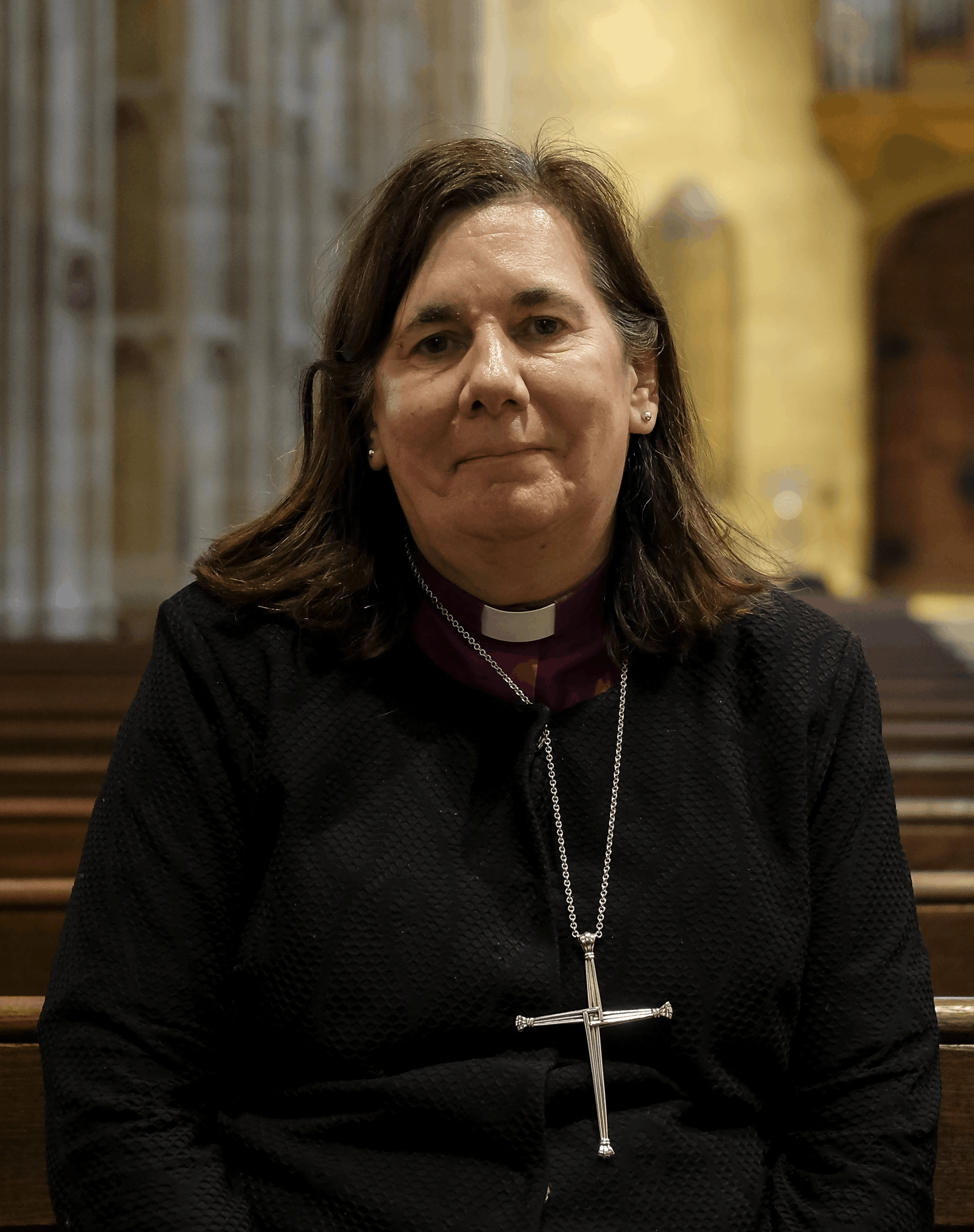
Bishop Karen